Your revenue deserves more than a billing company.

Your RCM partner should understand where healthcare is going, not just where your claims have been. We don't just evaluate the billing department. We follow the revenue through the business.

  • Find what caused the denial, not just work the denial
  • Keep what already works: your team, your technology, your processes
  • See where your revenue is going, where it's at risk and what should happen next
25+years of healthcare operations and executive leadership experience from our Director of Services

Start a real conversation.

No sales presentation and no predetermined solution. Our Director of Services will learn how your revenue cycle operates today, what you're experiencing and where you want the business to go.


15–20 min
Call length
No cost
No commitment
Direct
Not a salesperson
We'll never share your info. You'll pick a time on the next step.
Oops! Something went wrong while submitting the form.
Brands We've Worked With — MedCoShare
Organizations we proudly support

Trusted by 135+ independent practices across healthcare.

The Body Habitat
Dr. Watson PA Suboxone Doctor
Blissful Aesthetics & Wellness
MECCA Child Care
IV Rejuvenation Clinic
Kasama Philly
OccMedSource
Aline Rivera Technique
Blue Wellth
Hypertension Kidney Care & Weight Management
Elmwood Family Physicians
WellZone Medical Weight Loss
Krafted Care ABA
Mindstream Medicine
Dr. Onyx MD PhD Wellness

You shouldn't have to chase your RCM company to understand your own revenue.

Reports matter, but reports alone aren't leadership. A strong RCM relationship should give you visibility into what's happening, why it's happening, where revenue may be at risk and what should happen next.

If your existing RCM partner is performing well, the numbers and the operation should demonstrate it.

Are you experiencing any of these scenarios?

  • Performance doesn't match expectationsCollections and reimbursement fall short, and the explanation is never quite a solution.
  • The same problems keep coming backDenials get worked one at a time while whatever caused them stays in place.
  • Communication lacks substanceNumbers arrive without anyone translating them into owners and next steps.
  • Leadership can't see its own revenueYou don't know where it's going, where it's at risk or what should happen next.
  • Changes become surprisesReimbursement or payer changes are discovered after they hit, instead of brought to you before.
Schedule a discussion

The claim is the end of a much larger process.

Long before a claim reaches a payer, your organization has already made dozens of decisions that can influence whether it gets paid.

  1. Patient scheduled
  2. Eligibility checked
  3. Authorization obtained
  4. Information collected
  5. Care delivered
  6. Documentation completed
  7. Coding determined
  8. Charges captured
  9. Claim created

By the time a billing company receives a claim, the financial outcome may already have been decided days or weeks earlier.

A traditional billing company may see a denied claim and work the denial. We want to understand what caused the denial in the first place.

Fixing one claim creates one result. Correcting what caused it can affect every claim that follows.

That's the difference between processing claims and managing revenue.

The real impact of lost revenue

Small improvements can create meaningful results.

Healthcare leaders sometimes look for one enormous problem when the greater opportunity is hiding across dozens of smaller ones.

It can be hidden in reimbursement, collections, denials, documentation, productivity, payer performance, technology or revenue leakage throughout the organization.

We look for the percentages hiding inside your operation.

$1M$30M
  • A 1% improvement is worth $50,000
  • A 2% improvement is worth $100,000
  • A 3% improvement is worth $150,000
Simple math to show scale, not a projection of results. Small improvements aren't small when they're multiplied across an entire business.
Schedule a discussion

Healthcare is changing. We pay attention.

Revenue cycle management is no longer simply about submitting claims, posting payments and working denials. Your RCM partner should understand what's changing and how it affects your business.

  • Technology and AI

    AI and automation are reshaping documentation, coding, analytics and payer operations. Technology should make a strong operation stronger, not let a weak process run faster. We find where it improves productivity and visibility while keeping the human expertise healthcare still requires.

    Technology should make a strong operation stronger, not let a weak process run faster.

  • Reimbursement

    Medicare and commercial reimbursement keep changing, and a small adjustment becomes significant across thousands of encounters. We help leadership recognize changes early and respond before the impact becomes a surprise.

    We help leadership recognize changes early and respond before they become a surprise.

  • Compliance

    Revenue shouldn't just be collectible. It should be defensible. Documentation, medical necessity, coding, payer requirements and billing practices have to work together, so leadership can confidently stand behind the operation.

    Revenue shouldn't just be collectible. It should be defensible.

Healthcare doesn't stand still, and neither should your RCM strategy.

We investigate first. Then we determine the right solution.

We don't walk in assuming your staff is the problem, your technology needs to be replaced or everything should be outsourced to us.

Step 1

Understand the business

Specialty, services, payer environment, technology, team, financial performance and operational structure.

Step 2

Follow the revenue

We trace revenue through the organization and connect what's happening operationally with what's showing up financially.

Step 3

Determine the path

Sometimes it's technology or workflow. Sometimes it's staffing, education, payer strategy, documentation, compliance or leadership.

Step 4

Take responsibility

When the evidence shows a different RCM model would produce a better result, MedCoShare is prepared to manage it.

The evaluation determines the solution. The solution never determines the evaluation.

We don't replace what works.

Changing RCM companies can be disruptive. Our objective isn't to prove that everything being done today is wrong. But when something isn't working, leadership deserves more than another explanation. It deserves a solution.

  • If a process works, we preserve it.
  • If your technology works, we maximize it.
  • If your team is performing well, we build around their strengths.
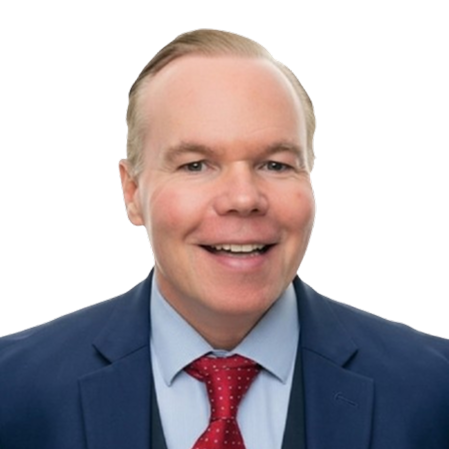
Raymond Morrison

Meet Raymond Morrison, Director of Services.

Raymond brings more than 25 years of direct healthcare operations and executive leadership experience, from start-ups through some of the industry's largest healthcare organizations.

That experience wasn't gained by observing healthcare businesses from the outside. It came from being responsible for operations, people, performance and results. It's behind every MedCoShare engagement.

Schedule a discussion

He knows what happens when:

  • Reimbursement changes
  • A payer creates a new obstacle
  • Staffing doesn't match workload
  • Technology fails to deliver what was promised
  • Documentation isn't sufficient
  • An organization grows faster than its processes
  • Leadership needs answers, not excuses

This isn't experience watching healthcare operations. It's experience being accountable for them.
Questions leaders ask us

Do we have to replace our current RCM company?

No. MedCoShare doesn't begin by promising to replace anyone. We evaluate the business behind the revenue and recommend the path that makes the most sense. Sometimes that means making what you already have stronger. Sometimes it means changing the model. And sometimes it means trusting MedCoShare to manage the revenue cycle.

Will we have to change our software or our team?

Not if they're working. If your technology works, we want to maximize it. If members of your team are performing well, we want to build around their strengths.

Do you understand our type of organization?

DME is different from wound care. Wound care is different from dental. Dental is different from a multispecialty medical practice. The documentation, payers, workflows, technology and reimbursement challenges are all different, so we learn your business first and build around what it actually needs, not somebody else's template.

What happens on the first call?

About 15–20 minutes with Raymond, at no cost and no commitment. He'll learn how your revenue cycle operates today and what you're experiencing. Sometimes there's an obvious problem. Other times leadership simply knows the organization should be performing better. Together you decide whether a deeper evaluation makes sense.

How is pricing structured?

Pricing is custom based on client needs. Schedule a discussion to learn what our service could look like for your practice.

Experience the difference experience makes.

Start with a conversation. No pressure. No predetermined solution. No salesperson between you and the experience you're hiring.

Schedule a discussion Call